Vibe marketing asks you to describe the feeling of a campaign and let AI do the rest. That is fine for a first draft. It breaks down for a brand, because a feeling is not something an agent can check its work against.
Developers hit this wall first and started writing specifications. Marketers should copy them.
We build an AI marketer, so we have a stake in this.
What developers found
Spec Kit is an open source toolkit from GitHub for what it calls spec-driven development. It was announced on 2 September 2025.
Instead of prompting an AI agent to write code straight away, you write three things first: a specification, a plan and a task list. The agent then works from those.
Visual Studio Magazine covered it in May 2026. In a livestream demo, the agent produced a project constitution, a feature specification, a plan, a data model, tasks, code and tests. The same article says the toolkit does not remove developer oversight, and that reliability can drop when an agent’s context is compacted.
Spec Kit is built for software, but the lesson travels.
Where vibe marketing breaks
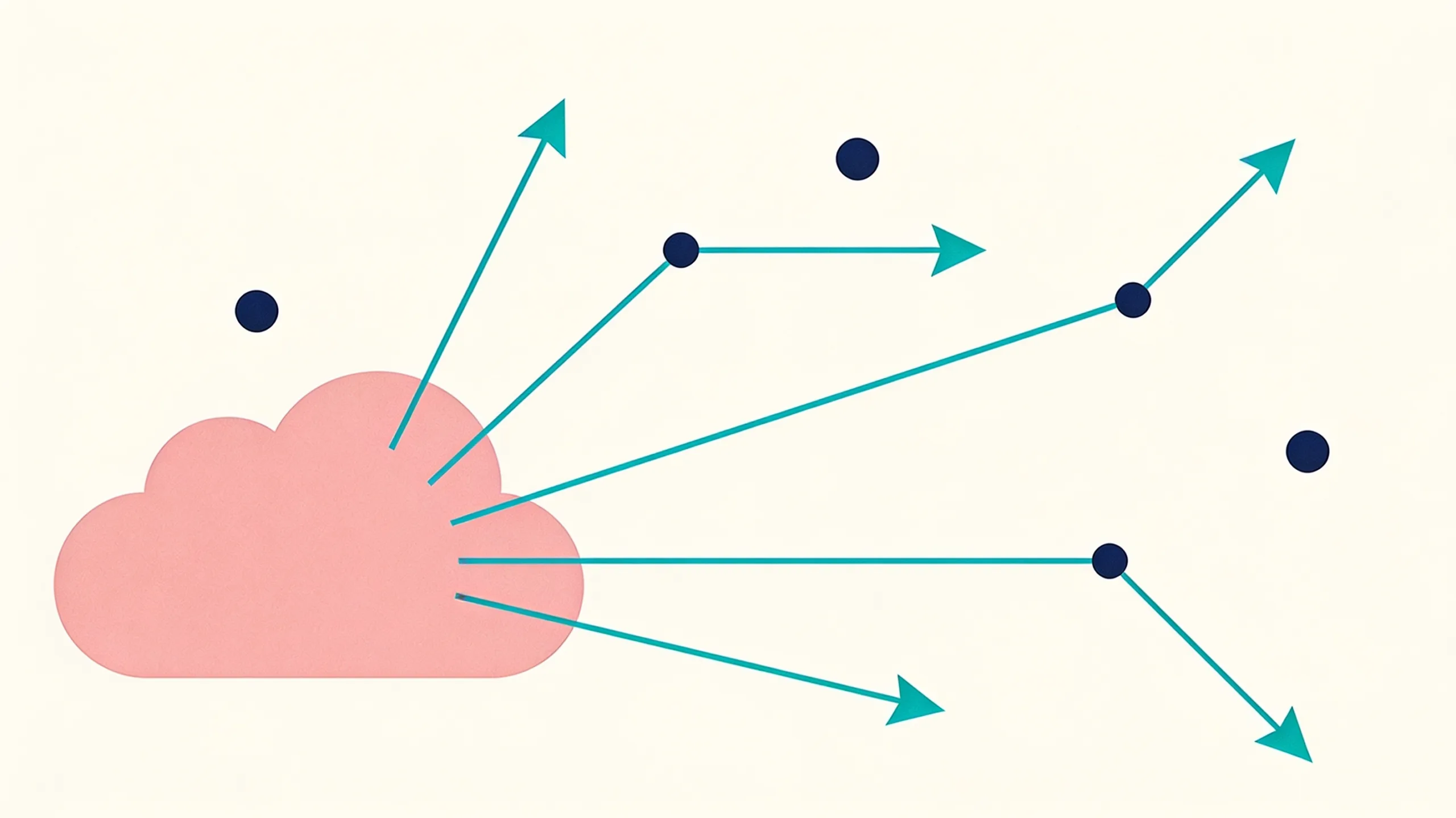
Klaviyo, which sells software for this way of working, published a guide to vibe marketing on 30 June 2026. It describes a marketer stating the outcome while AI handles flows, segments and assets. It also warns that AI cut off from brand standards creates more brand risk than benefit.
The guide cites Klaviyo’s own 2026 research: 54% of marketers feel positive about vibe marketing, and 25% are doing it or exploring it. It gives no sample size, so read that as vendor-reported interest, not proof of results.
The risk is easy to see. A vibe is vague by design. Give the same vibe to ten agents, or ten freelancers, and each will fill the gaps differently.
A brief is a spec
A software spec answers four questions: what are we making, for whom, under what rules, and how will we know it is done? A good marketing brief answers the same four. Most briefs answer the first one and skip the rest.
Mavic’s help centre advice for a blog post is a fair example. It asks for a topic, a word count, a reader profile, a keyword, a tone and an outline if you have one. That is a spec in plain clothes.
What a spec changes in practice
Take a launch post. A vibe says: make it feel confident and friendly.
A spec says: write for heads of marketing at agencies that run several brands. Keep it under 120 words, mention the approval step, promise no results, and end with one link.
The second version can be checked by anyone. The first can only be admired, and admiration is a poor test. A reviewer with a spec can say exactly which line failed and why.
This matters most at a handoff. When work passes between people or agents, only what was written down travels with it. Everything else is guessed.
Two layers, written once

Spec Kit keeps a standing constitution apart from each feature’s spec. Marketing needs the same split. The standing layer is your brand standard: who you serve, how you sound, the words you avoid and the claims you never make.
The second layer is the brief for one piece of work. It should be short, because the standing layer already did the heavy lifting. If every brief has to restate your tone of voice, the standard does not exist yet.
A one page marketing spec for this week
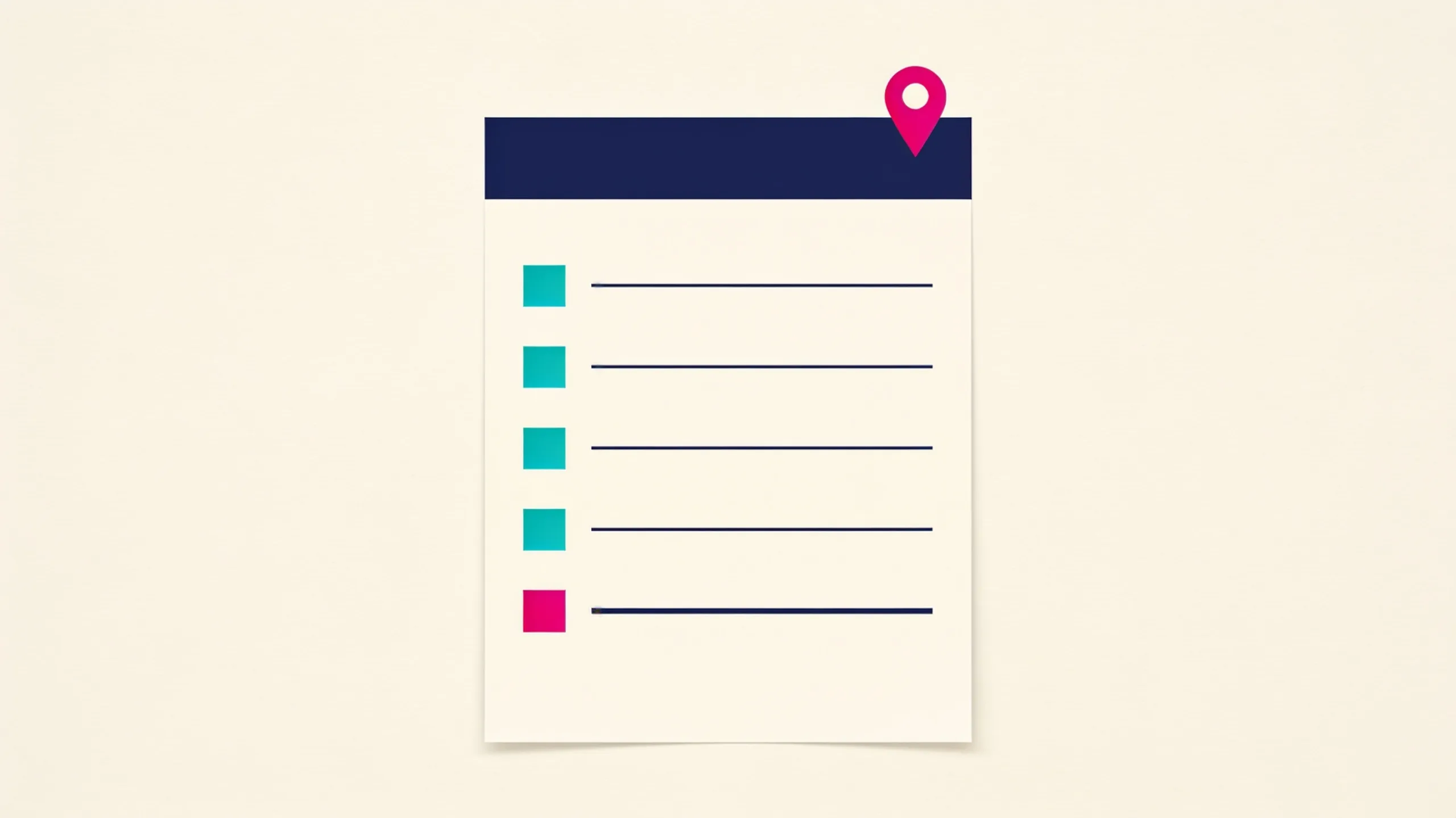
You can do this in a document, with no software at all.
- Write the standing rules once. Cover your audience in one sentence and your voice with examples of what it does and does not sound like. Add banned words and claims you never make.
- For each piece, name one reader and one action you want from them.
- Set hard limits: channel, length, format, what must be included and what must be left out.
- Write a definition of done, a short checklist that a stranger could use to accept or reject the draft.
- Name an approver who is allowed to send the work back.
- When a draft misses, fix the line in the spec that allowed the miss, not only the draft.
Where Mavic fits, and where it does not
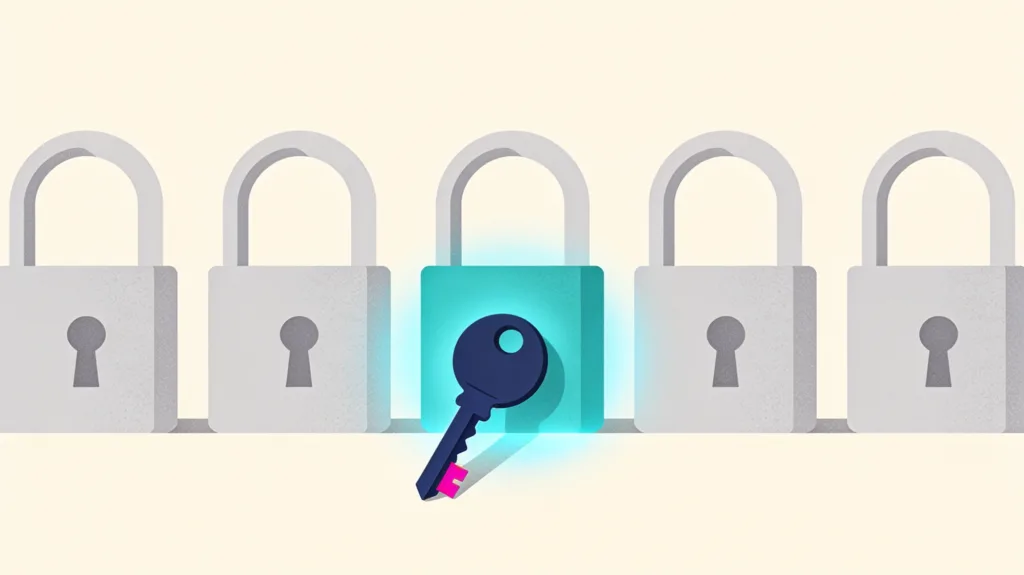
In Mavic, Brand DNA is the standing layer. It holds each brand’s personality, positioning, writing styles, ban list and customer profiles, and Mavic always works from it.
You add the brief for the piece in chat. For long form work, the help centre says Mavic plans the work, shows you the plan and asks before it writes.
Mavic, now powered by Tandem, splits one brief across specialist agents that all work from the same Brand DNA. Nothing is published without a person’s approval.
The limits matter, and we would rather state them plainly. The ban list is a strong nudge, not a hard filter, and words can still slip through in long documents.
A good spec also does not make a draft good by itself. Someone still has to read it.
Start with the standing layer
Before you write another prompt, write the page of rules that every prompt should inherit. Then check whether your last five posts would pass it. If they would not, you have found the real problem, and it was never the prompt.