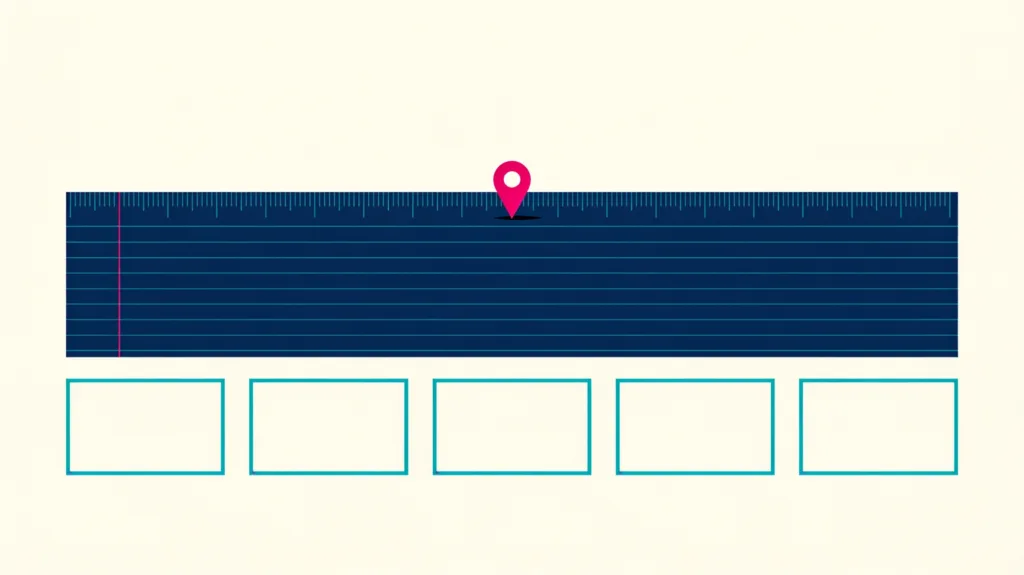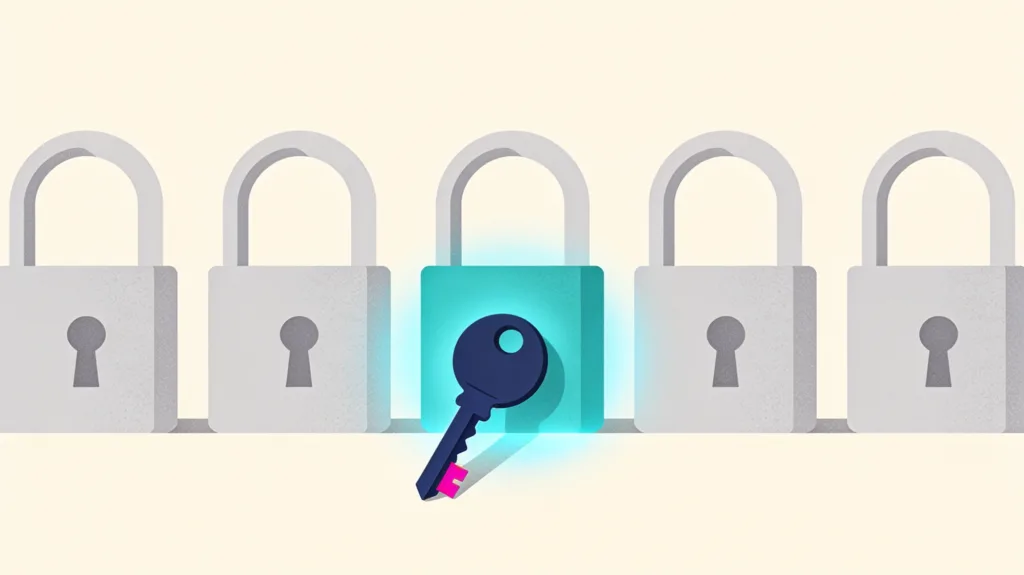
Most teams still check brand consistency at the end, by looking at the finished post. When agents and many hands are producing content, that is too late. Brand governance now has to start before the first draft, with the material the AI works from.
We build an AI marketer, so we have a stake in this.
Review at the end does not scale
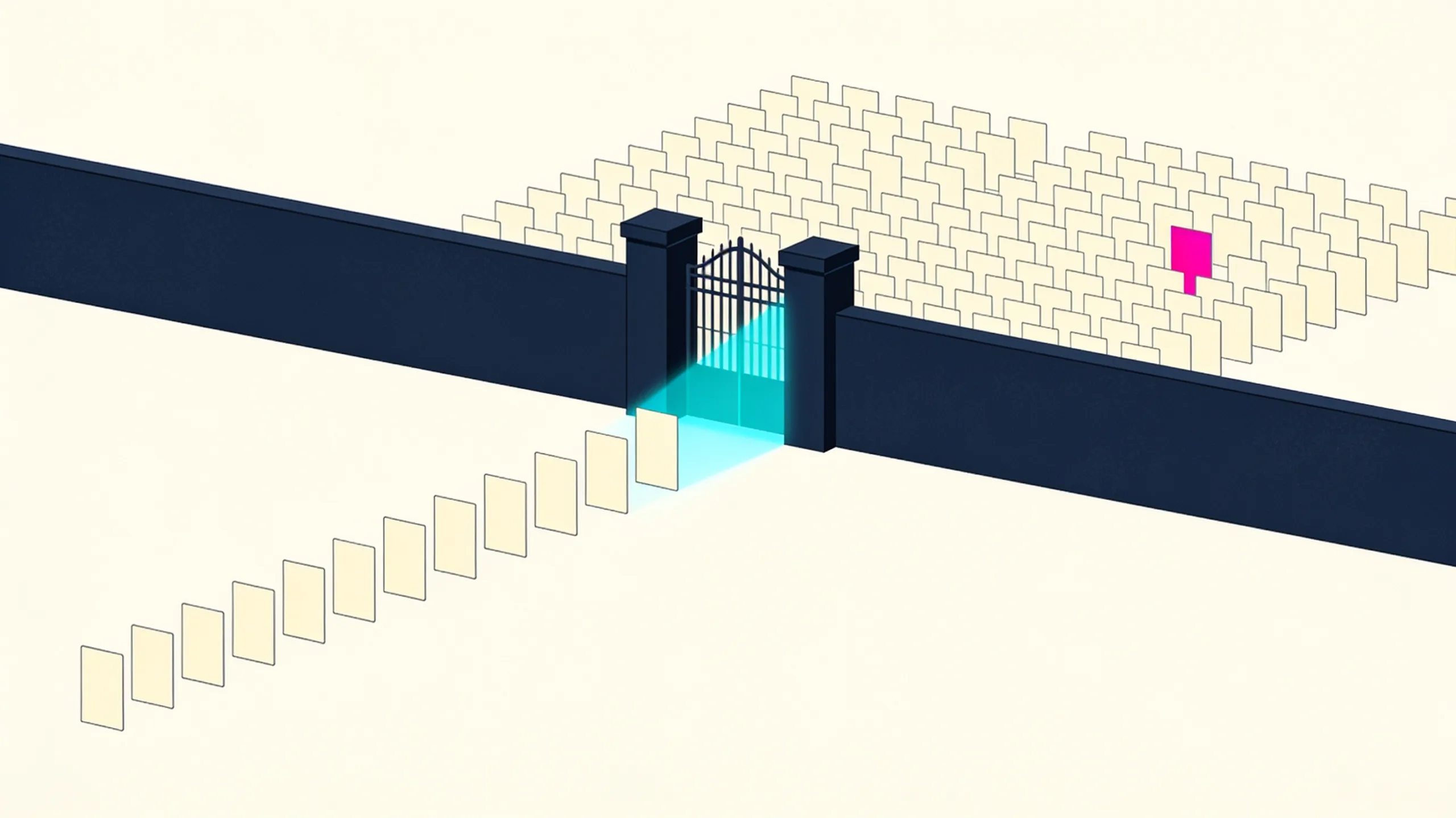
In September, CMSWire ran an editorial by Tim Radwanski, co-founder of the agency Convertiv. His argument is that asking “is this on-brand?” of a finished piece comes too late. Governance should cover the data, rules, systems and sources behind the output, and the actions an agent may take.
We agree with the direction. A reviewer can catch one bad post. A reviewer cannot easily catch a pattern that builds up across hundreds of posts, written by different people and tools.
The risk is in the long tail

The same article makes a point that rings true. Thousands of slightly inconsistent small experiences, from sales, regional, agency and service teams, may do more damage than one off-brand flagship page. This is the author’s argument, not a measured finding.
Think about how it happens. Each piece is fine on its own. Nobody flags a single caption that drifts a little from the house tone. Put two hundred of them side by side and the brand no longer sounds like one company.
Most organisations are not there yet
McKinsey’s State of AI Trust in 2026 gives a sense of the gap. It surveyed about 500 organisations across industries and regions, with fieldwork from December 2025 to January 2026. About 30 percent reached level three or higher in strategy, governance and agentic AI controls. Nearly two-thirds named security and risk as the top barrier to scaling agentic AI.
Read this carefully. It covers AI governance in general, not marketing, and the data is now about ten months old. It still suggests that many teams are adding agents faster than they are adding rules.
Put the check inside the work
The CMSWire piece also argues that validation should happen while content is made, not after. That means approved terminology, claims and components are available at the moment of writing. It also says oversight should rise and fall with how much autonomy the AI has, with people setting policy and handling exceptions.
We think this is the practical shift. Review stays, but it changes job. Instead of rewriting every caption, the reviewer asks whether the standard was applied, and whether it needs to change. A good reviewer feeds corrections back into the standard, so the next piece starts better.
The article suggests three measures. They are the share of AI content grounded in authoritative sources, the rate of exceptions, and how quickly a change to the standard spreads. These are the author’s suggestions. They are worth borrowing because each one is easy to count.
What a source of truth needs
Radwanski lists several requirements for the inputs. Brand knowledge needs named, owned sources of truth, with rules for conflicts, and outdated material has to be retired. Standards written for people, such as a slide deck of dos and don’ts, need to become explicit rules a machine can follow.
Here is how we would turn that into a plan you can run without any particular tool.
- Name one owner for the brand standard. Without an owner, nobody settles disputes.
- Keep it in one place. When the deck and the guidelines disagree, say which one wins.
- Write rules that can be followed. “Be friendly” is not a rule. Example sentences, named audiences and a list of words to avoid are.
- Retire old versions. An agent will happily use last year’s tone guide if it can find it.
- Match review to risk. A product claim or a price needs a person. A routine caption may not.
- Track how long a change takes to reach every team and agent. If you cannot say, you do not control it.
What we do at Mavic, and where it stops
Mavic keeps each brand’s Brand DNA in its own workspace. It holds voice, audience, writing styles, words to avoid and visual identity. It is built from a brand’s website and a few answers. Mavic always works from your brand, because the Brand DNA is read on every generation rather than rebuilt from a new brief each time.
Tandem, the engine behind Mavic, splits one brief across specialist agents. Each of them works from the same saved Brand DNA. You can read how that works on the Tandem page. Nothing is published without a person’s approval.
The limits matter. The ban list is a strong nudge, not a hard filter, so a banned word can still slip into a long document. Brand DNA is only as good as what is in it. And approval only protects you if the person approving actually checks.
A check for this week
Pick three pieces of content from three different teams or markets. Hide the logo and ask whether they read as one brand. Then ask each author where they found the standard.
If the answers differ, do not add more review. Fix the source first.