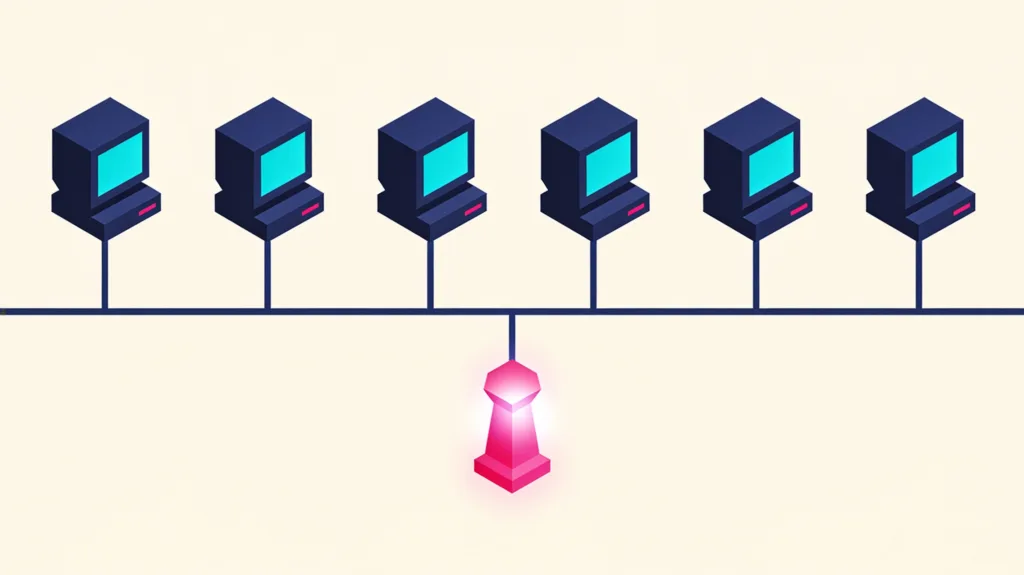
Every AI marketing vendor now says a human stays in control. The harder question is where. If a person must approve every single action, the queue becomes the bottleneck. If nobody does, the brand carries the risk alone.
We build an AI marketer, so we have a stake in this.
My view is that review should be tiered by risk, with the heaviest review upstream, on the standard itself. A named person should still sit at the gate for anything published under your name.
What the vendors are saying
On 10 November, MoEngage announced new agent features at its NEXT Autumn’26 event. Its CEO said “Marketers set the guardrails and decide where to review,” while agents handle decisioning and execution. The release does not say which steps need sign-off.
That gap matters. “Decide where to review” is the right instinct, but it hands the hardest design question back to the marketer.
Yext made a related argument on 31 July. Its post says that requiring a human to approve every agent action does not scale. It proposes tiers instead: full automation for some actions, a quick check for others and careful review for the rest. Yext sells software for managing this, so read it as a vendor view.
Neither source offers evidence that one tiering scheme beats another. Both are arguments. I find them reasonable, and the rest of this post builds on them.
Why approving everything breaks
Picture a team with one reviewer and a steady stream of AI drafts. The reviewer starts to skim. Skimming turns approval into a rubber stamp, and a rubber stamp is not a control.
Volume also hides the drafts that matter. A price claim and a routine reshare sit in the same queue, and both get ten seconds.
Why approving nothing is worse
The other extreme is to let routine work run unchecked. Vista Social made the point in a July post that the brand, not the software, stays accountable for what it publishes. Your audience will not ask which tool wrote the line.
So the answer is neither extreme. It is to spend review effort where a mistake costs the most.
A tiering you can use this week
Tier by what a mistake costs, not by who or what wrote the draft. This scheme is our own, built from the ideas above. It is not a tested standard, and you can run it with a spreadsheet and a calendar.
- Full read by a named person, plus a second pair of eyes. This covers any price, result, legal or health claim, any named person or customer, paid placement, and sensitive moments in the news.
- One-person read of the whole batch: routine posts on approved themes in the approved voice.
- Review the rules, not the posts. Once a month, read what was rejected and why. Then update the standard, the banned phrases and the themes.
Knak made a similar point in November 2025, advising that quality controls be tiered by content risk and audience reach. Write down which tier each content type sits in. If you cannot say, treat it as tier one.
Where to start on Monday
List the last 30 pieces your team published. Sort them into the three tiers by eye, and note how many landed in tier one. If almost everything is tier one, your standard is probably too vague to trust anyone with the routine work.
If almost nothing is tier one, check again. Prices, claims and named people tend to show up more often than teams expect.
Then name one owner per tier. The owner of tier one needs the authority to stop a post. The owner of tier two needs the time to read the whole batch.
Review the plan before the posts
The cheapest place to catch a problem is before anything is drafted. If the strategy, the calendar and the themes are approved first, each post has fewer ways to go wrong.
The reviewer is then checking fit, not rethinking the brief. That is what makes a batch read quick enough to be real.
It also gives you a cleaner rejection signal. When a post fails, you can tell whether the draft missed the plan or the plan missed the brand. Only the second kind should change the standard.
How Mavic handles it
Mavic puts approval gates on strategy, calendar, theme and batch, and nothing publishes until the user approves. We chose that because we think the person who answers for the brand should decide what goes out.
Mavic always works from your brand. Brand DNA holds your tone, visuals, audience, products and words to avoid, and Mavic reads it each time it plans the work.
It has limits. The ban list is a strong suggestion, not a hard filter, so a banned word can still appear, more often in longer documents. That is one reason we keep a person at the gate.
With Tandem, one brief is split across specialist agents, and each agent works from the same saved Brand DNA. We do not see that as a reason to review less. It is a reason to get the shared standard right.
Keep one rule fixed
Whatever tiers you choose, a named person owns every item that goes out under your brand. Tiers change how deep the check goes. They never remove the owner.
Sources
- MoEngage press release via PR Newswire, datelined San Francisco, 10 November 2026 (published by The Manila Times, 11 November 2026)
- Yext, Lauryn Chamberlain, “Why Human-in-the-Loop Is Not Enough for Agentic Marketing” (31 July 2026)
- Vista Social, Orion Macapella, on AI agents checking each other’s work (21 July 2026)
- Knak, Nick Donaldson, on human-in-the-loop review for AI marketing (5 November 2025)
- Mavic help centre, Brand DNA overview
- Mavic help centre, Ban List