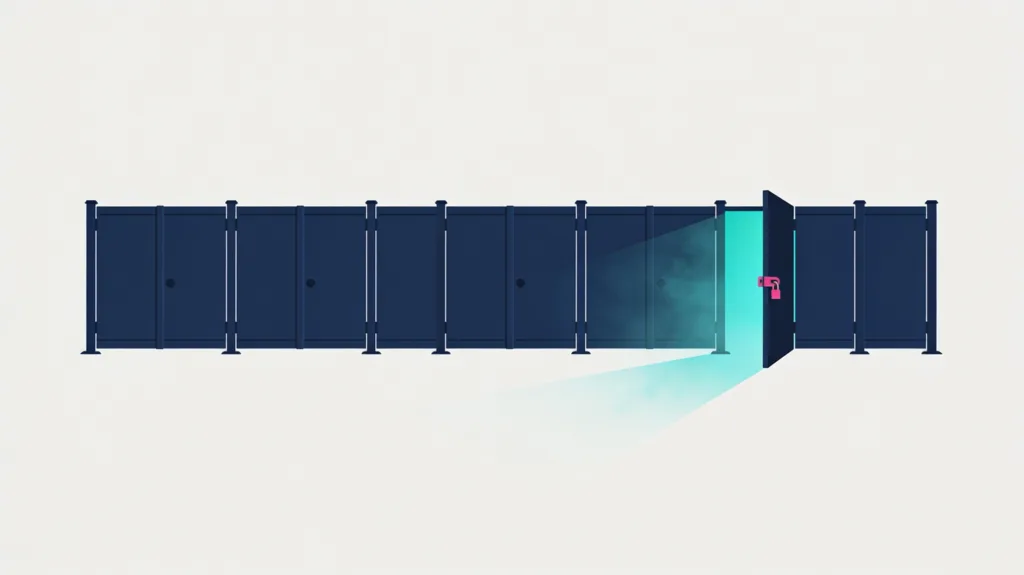
Ask a marketing team how they will keep AI agents safe and the answer is usually the same: a person approves everything first. We agree that people should approve the work.
But a click is not a control on its own. It only counts if the person clicking is able, and willing, to say no.
We build an AI marketer, so we have a stake in this.
Everyone’s answer is “keep a human in the loop”
The instinct is well founded. A Harvard Business Review Analytic Services survey asked 603 business and technology leaders worldwide in July 2025. Only 6% said they fully trust AI agents to run core business processes on their own.

Digiday’s reporting last December described marketing teams keeping people in the review loop, with brand consistency among the worries.
So the human is the safety net. In marketing, the net has a specific job: catching the wrong claim, the off-brand tone or the banned phrase before it reaches an audience. The question is how strong it really is.
What a July 2026 preprint found
In July, researchers at French and Italian universities posted a preprint with 3,132 participants across five experiments. People were recruited on Prolific, and four of the experiments were preregistered.
Participants answered six hard questions about small visual details in films, and they could always say “I don’t know”. The AI advice was built to be wrong on almost all of them.
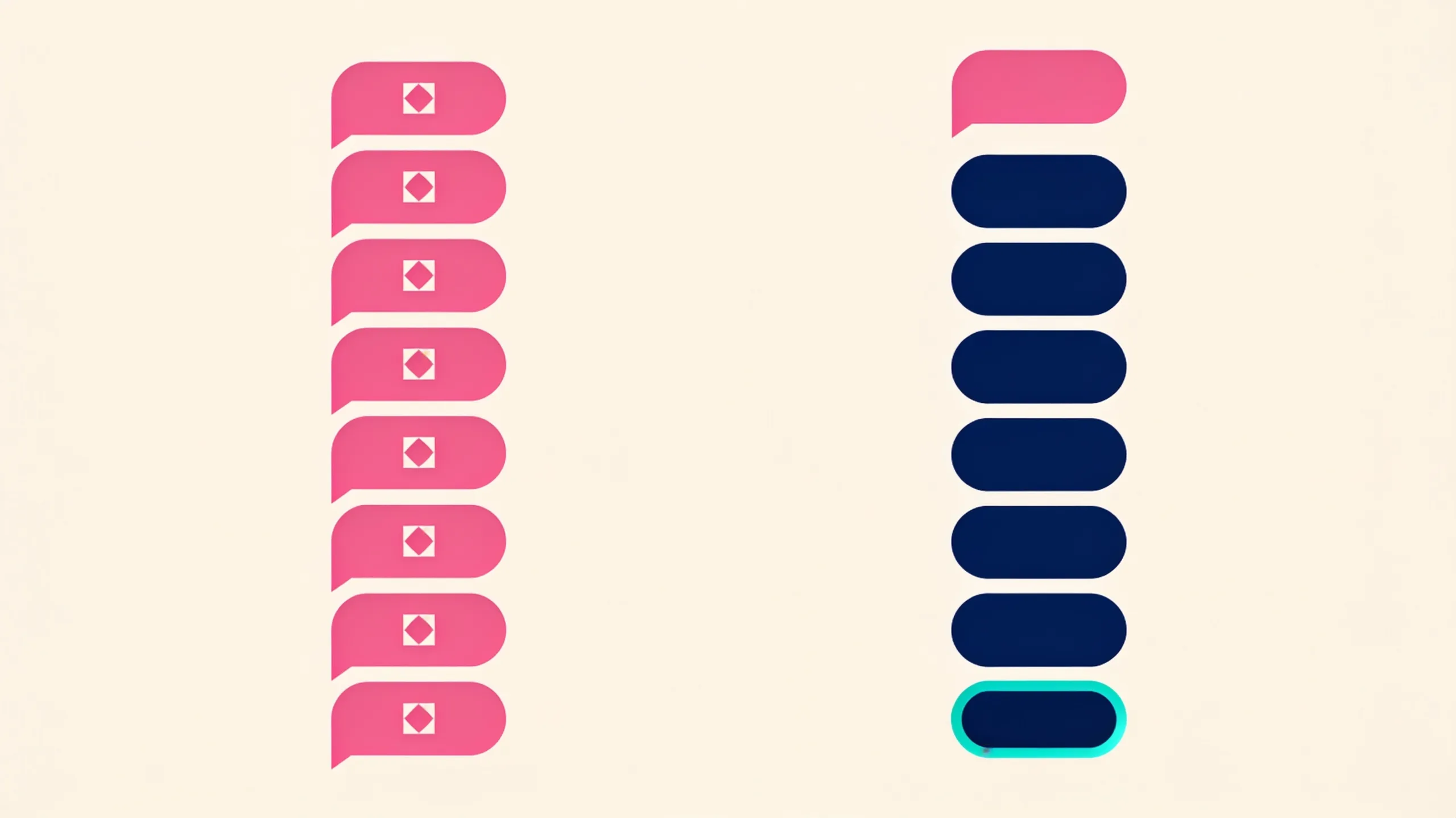
The results were stark. In one study, people said “I don’t know” to 44% of questions without AI and 3% with it. The authors write that merely having access to AI “nearly eliminated participants’ willingness to suspend judgment”.
In the three studies that measured accuracy, the pooled figure fell from about 27% to about 9%. In another study, average confidence on a 0 to 100 scale rose from about 30 to about 76.
Money did not fix it. In one study, people won 10 cents for a right answer and lost 10 cents for a wrong one. “I don’t know” still went from 41% without AI to 8% with it.
One commentary on the preprint, from Agent Wars, argues that this matters for agent safety. Approval gates depend on people’s ability to refuse or pause.
What it does not tell us
We should be careful here. It is a preprint, and the page we read does not say whether it has been peer reviewed. The task was film trivia, not marketing.
The AI was engineered to be wrong, so we cannot say what happens when it is mostly right. The authors also note that the payments were small and that they did not record whether people checked other sources.
So we would not claim that reviewers rubber-stamp AI work. The narrower reading is that once an answer is on screen, the urge to say “I’m not sure” can nearly vanish. A small bonus did not bring it back.
What a product can do, and what it cannot
If the urge to push back shrinks, a gate that only asks “looks good?” is the weakest version of the idea. A reviewer needs a standard to check against, a manageable amount to check, and an easy way to refuse.
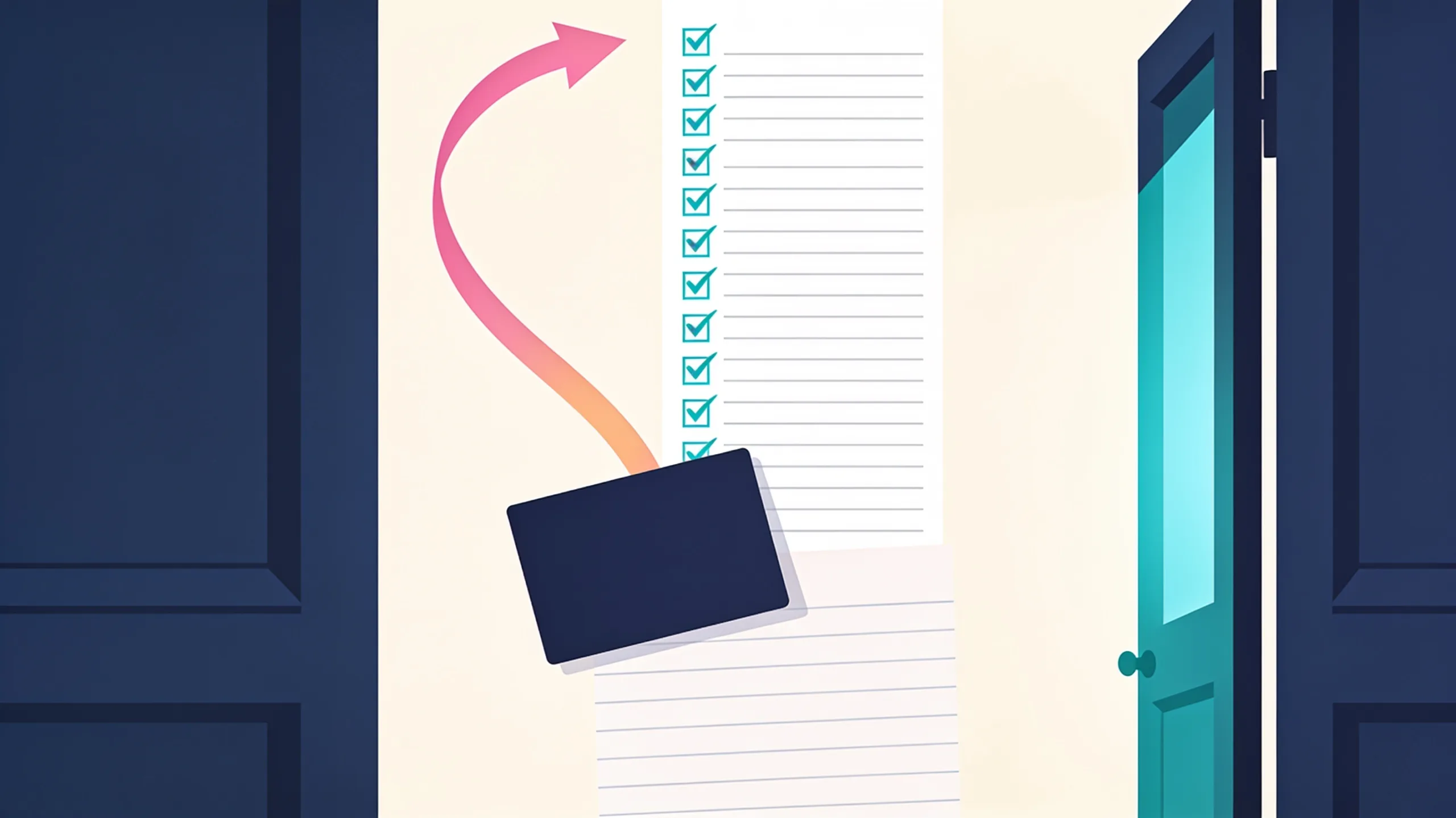
The first of those is a written standard. We made that case in an earlier post on AI slop: an approver who has never seen the standard cannot hold it.
Volume matters too. Picture a reviewer who used to check five posts a week and now faces fifty. Agents make the pile bigger, so the attention each item gets is something to protect on purpose.
In Mavic, our help centre says the agent “plans the work, shows you the plan and asks before it makes anything”. It also says nothing is posted until you approve.
Behind Mavic is an engine called Tandem: a team of specialist agents that share your Brand DNA. Brand DNA holds your voice, visual identity, products, audiences and the words you never use.
That gives a reviewer a written reference to check against. It does not make anyone check.
The ban list, for example, is “a strong nudge, not a hard filter”, and our help centre says banned words may still appear occasionally. A person has to catch them.
We are not claiming that Mavic’s approval step solves what the study describes. It gets a person in the room. What they do there depends on the standard they hold and the time they have.
A test for Monday
These are our suggestions, not findings from the study. You can use them with any tool.
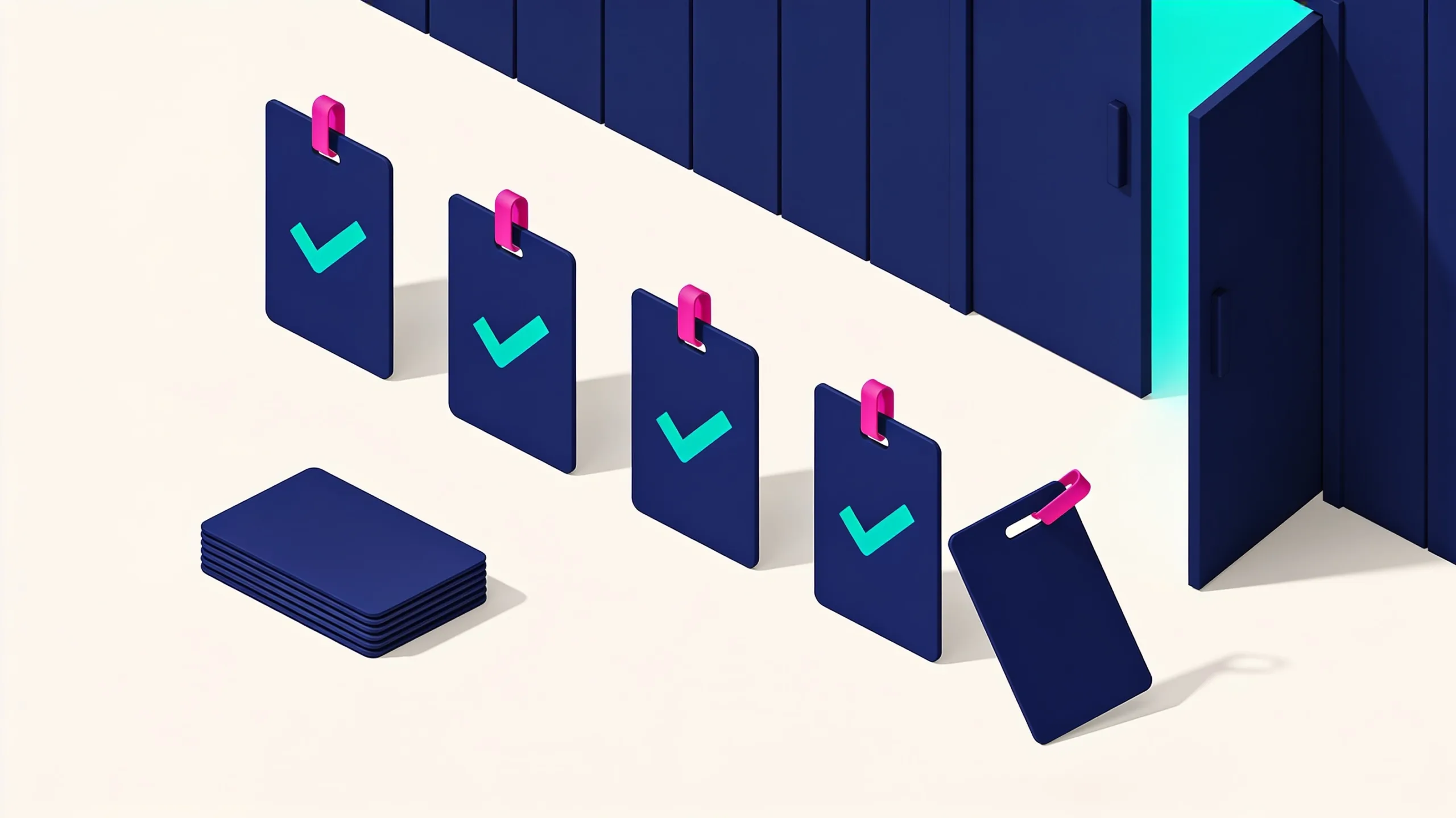
- Write the checks down. Pick five to ten yes or no questions from your brand standard: right name, right claim, tone, logo use, banned words.
- Read the brief first. Before opening the draft, note what you expect to see, so you have your own view before the AI’s version shapes it.
- Limit the batch. Decide how many pieces one person approves in one sitting, and stop there.
- Make “send back” as easy as “approve”. Ask for a short reason, and track how often work is sent back. A rate near zero is a question, not a victory.
- Audit by sampling. Once a week, have a second person re-check a few approved items and count what was missed.
The aim is not to distrust your team or the AI. It is to make “no” a normal, cheap answer.
Sources
- Marcoccia, Quattrociocchi and Capraro, “AI advice suppresses people’s willingness to say ‘I don’t know'” (arXiv preprint, 15 July 2026)
- Agent Wars, opinion piece on the preprint and approval gates (21 July 2026)
- Harvard Business Review Analytic Services survey, via Fortune and Yahoo Finance (9 December 2025)
- Digiday, “Despite the hype, agentic AI isn’t ready to take the brand controls just yet” (23 December 2025)
- Mavic help centre: Brand DNA overview
- Mavic help centre: Calendar
- Mavic help centre: Adding to Calendar
- Mavic help centre: Ban List
- Mavic Tandem